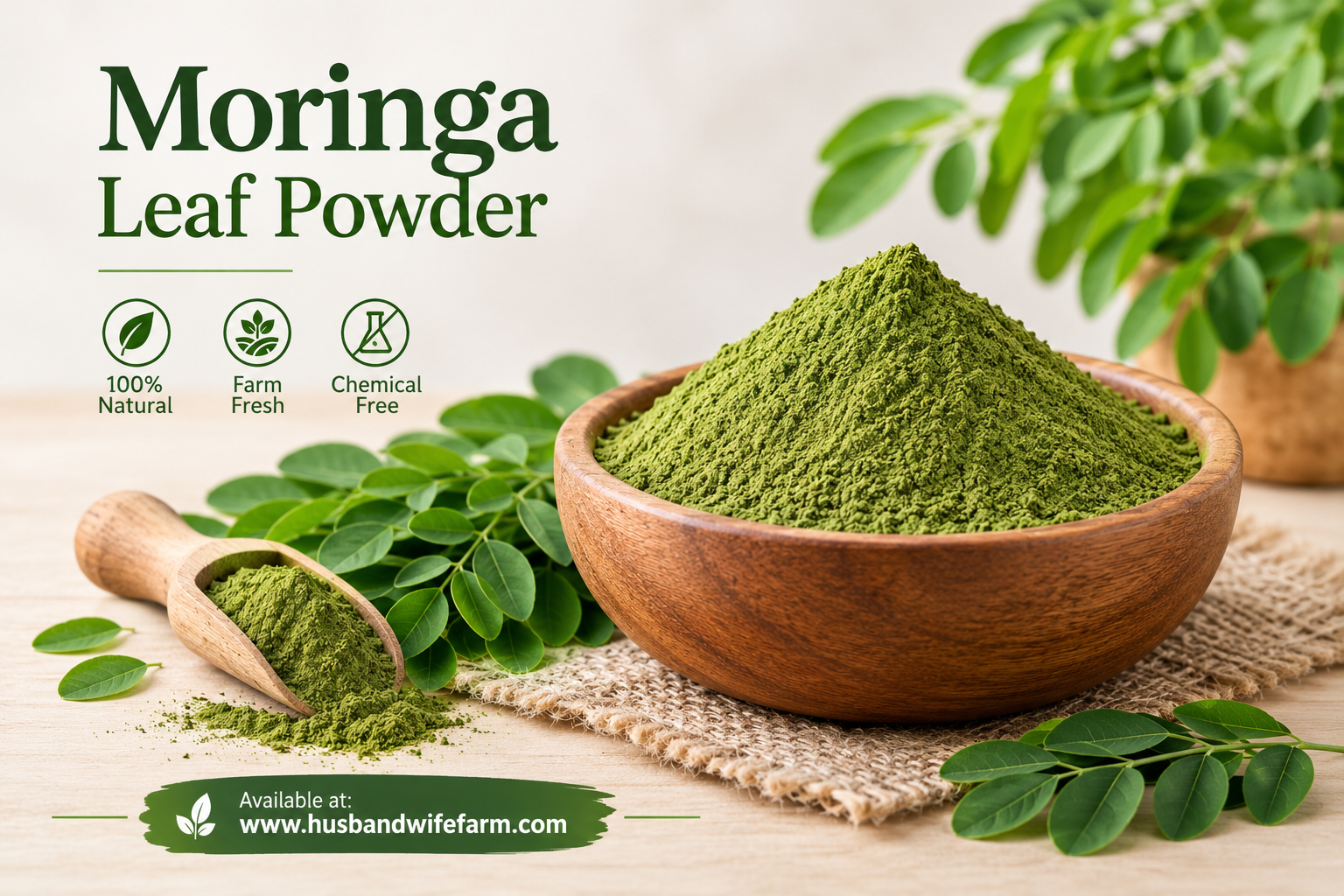
Moringa leaf powder is becoming popular among health-conscious consumers, food manufacturers, and wellness brands, as well as companies looking for plant-based nutritional ingredients. Moringa leaf powder is made from the leaves of the Moringa oleifera tree and is often used in smoothies, beverages, nutritional products, cooking, and health formulas.
However, in the case of buying moringa powder in bulk, finding the right supplier is as important as knowing the product itself. Quality can vary widely due to cultivation practices, harvesting, drying, processing, storage, and packaging. For businesses, working with reliable moringa leaf powder manufacturers can ensure consistent quality, reliable supply, and better product performance.
Whether you are a food company, supplement brand, distributor, retailer, or wellness business, this guide will help you understand the important factors to consider when selecting a good moringa supplier.
What Is Moringa Leaf Powder?
Moringa leaf powder is produced by harvesting the leaves from the Moringa oleifera tree, drying them in a controlled environment, and grinding the dried leaves into a fine powder.
Moringa trees are cultivated extensively in tropical and subtropical regions such as India. Leaves are naturally rich in nutrients such as protein, fiber, vitamins, minerals, and a wide range of plant compounds, but the nutritional composition may vary depending on conditions of cultivation and processing.
Moringa leaf powder is used in many industries because of its versatility,, such as
• Health & Wellness Products
• Food and beverage manufacturing
• Botanical products
Nutritional preparations
• Functional beverages and smoothies
• Natural foods
• Applications in animal nutrition
• Wellness products (private label)
When purchasing in bulk, companies should choose experienced moringa leaf powder manufacturers to ensure product consistency.
Why It’s Important to Choose the Right Moringa Supplier
Not all moringa powder is created equal. Farming, harvesting, drying temperature, grinding methods, and storage conditions can all affect the end product.
The vendor should have a well-defined manufacturing process and appropriate quality-control procedures.
Poor processing can potentially cause problems such as:
• Uneven coloration
• Unpleasant odor or flavor
• Excessive moisture
• Contamination
• Poor shelf stability
• Variable size of particles
• Batch-to-batch variation
This is why businesses need to carefully evaluate a supplier rather than choose a manufacturer based only on a low price.
1. Check the Origin of Your Moringa Leaves
The quality of moringa leaf powder starts with the raw material.
Ask the supplier where the moringa is grown and if they have control or connections to farmers. Knowledge about the growing process can give useful information about the quality and consistency of the raw leaves.
Ideally, you should be able to explain to a reputable manufacturer:
• Cultivation place of the moringa leaves
• How the plants are cultivated
• When leaves are cut
• Transportation of the raw material
• Monitoring of agricultural procedures
Traceability from cultivation to finished product is a major factor when assessing moringa leaf powder manufacturers.
2. Grasp the Harvesting Process
The way the material is harvested determines the quality of the finished powder. Leaves should be collected at the appropriate stage and handled carefully to minimize contamination and physical damage.
Find out what harvesting procedures potential suppliers use and how quickly harvested leaves are transported for processing.
Correct handling from harvest to drying helps to retain the quality of the raw material.
3. Assess the Drying Method
Drying is one of the most important stages in the production of moringa powder.
Fresh moringa leaves have lots of moisture. The manufacturer must be able to remove moisture effectively without affecting the product characteristics.
Excessive heat may affect some sensitive compounds and the color of the leaves. Not drying sufficiently would increase the risk of moisture-related quality problems.
So, when you are comparing moringa leaf powder manufacturers, ask them about their drying technology, temperature controls, processing time, and moisture-control methods.
A professional manufacturer should be able to clearly explain to you its drying process.
4. Check Processing and Grinding Standards
After drying, the moringa leaves are processed and powdered. The grinding process should result in a uniform particle size suitable for the intended application.
For example, a food manufacturer may have different specifications than a company using moringa powder in capsules or specialized formulations.
Ask before you place a bulk order:
• Size of the particle
• Powder form texture
• COLOR
• Moisture content
• Process procedure
• Consistency of batch
Samples for evaluation should also be provided by a good supplier before a large commercial order.
5. Ask About Lab Tests
Selecting a supplier is an important part of quality assurance.
Businesses should determine whether each batch or production lot is tested according to the manufacturer’s quality-control procedures. Testing may include microbiological parameters, heavy metals, pesticide residues, moisture, and other specifications as relevant to the intended use and market.
Ask for a COA (Certificate of Analysis) if possible. A COA contains information on test parameters for a specified batch.
Professional moringa leaf powder manufacturers should be transparent with their documentation and testing procedures, rather than just making general quality claims.
6. Verify Certifications, Conformance
Certifications can provide an extra layer of confidence when purchasing moringa powder for commercial purposes.
Relevant certifications or compliance documentation may vary by product and target market and can include food-safety certifications, organic certification (if applicable), HACCP-related systems, GMP-related standards, or other certifications required by the destination market.
Businesses should check that certificates are current and apply to the actual product and manufacturing site.
If you are looking to export moringa powder, check the regulatory and documentation requirements of your target country as well before selecting a supplier.
7. Research Packaging and Storage
Moringa leaf powder needs to be packed correctly to protect it from moisture, contamination, extreme light, and other environmental factors.
Ask the supplier:
• Packaging materials
• Batch ID
• Date of manufacture
• Expiry or best before information
• Storage conditions
• Bulk Packaging Options
• Transportation processes
Good packaging practices can help maintain product quality through storage and transport.
8. Assess Production Capacity
Another important business consideration is the capacity of the supplier.
A manufacturer can make a good sample but may not be able to reproduce the same quality level in large quantities. Determine if the supplier can fulfill your monthly or annual requirements before signing a long-term agreement.
Inquire about:
• Minimum order quantity
• Monthly production capacity
• Time-to-market
Processing of bulk orders
• Availability of inventory
• Seasonal cycles
• Ability to ramp up production
Established moringa leaf powder manufacturers should have realistic information on the production and delivery schedules.
9. Order Samples Before Bulk Purchase
Always avoid relying on photographs or product descriptions alone when buying a botanical powder.
Ask for a sample and test it for your application.
Depending on your needs, you might want to consider:
• Color
• Odor (smell)
• Flavor
•Texture
• Solubility of
• Humidity
• Microbiological specifications
• Results of laboratory tests
If this sample meets your specs, we can proceed with a larger order after you have confirmed pricing, documentation, packaging, and delivery terms.
10. Price Comparison, But Don’t Sacrifice Quality
Price does play a part in purchasing raw materials, of course. But the lowest quote is not always the most economical choice.
Very low prices can sometimes indicate differences in quality of raw materials, processing, testing, packaging, or service.
Instead of only considering price per kilo, consider the total value offered by various moringa leaf powder manufacturers.
Compare [1]
Specifications of product
•Testing and Documentation
• Accreditations
• Packaging
• MOQ
• Manufacturing capacity
• Delivery Time
• Customer Service
* Batch consistency
If that means better quality assurance and a reliable supply, it might be worth a little more.
11. Assess Private Label and Custom Requirements
If you have a wellness or food brand, you might need more than the bulk moringa powder.
Some suppliers might also offer private labeling, custom packaging, formulation support, or different pack sizes.
Only choose the supplier if they can meet your future needs, so check this out before you proceed. They can be a valuable partner in the long run if they can grow with your business.
Why You Need To Partner With Experienced Moringa Leaf Powder Manufacturers
You can often get better value by dealing directly with experienced manufacturers rather than through unknown intermediaries.
These can be:
• Improved product traceability
• Uniform specifications
• Direct communication
• Capacity to provide in bulk
• Improved transparency
• Improved understanding of processing
• More reliable documentation
•Potentially better long-term price
For companies sourcing moringa powder from India, procurement is made easier by choosing a manufacturer with proper cultivation, processing, quality control, packaging and supply capabilities.
Questions to Ask Before You Choose a Supplier
Make a list of questions before you finally choose a supplier:
1. Where do they grow moringa?
2. What is the method of harvesting?
3. How do they dry the leaves?
4. What are the methods of processing and grinding?
5. What are the specifications of microbiology and moisture?
6. Could you issue a Certificate of Analysis?
7. What certifications does the facility hold?
8. What is the minimum quantity per order?
9. Production capacity?
10. What packaging options are available?
11. Could you provide samples?
12. What is the anticipated lead time?
A supplier that can clearly answer these questions and provide appropriate documentation is generally easier to evaluate.
How to Select the Best Moringa Supplier for Your Business in the Long Run
It is recommended to choose moringa leaf powder manufacturers from a quality and supply chain perspective, rather than simply comparing prices.
Locate a manufacturer who is transparent with the whole process from cultivation and harvesting to drying, grinding, testing, packaging, and delivery. When buying botanical ingredients on a commercial basis, consistency in specifications, appropriate documentation, quality testing, and reliable communication are all important.
If you’re a business looking for a dependable source of moringa products, then Husband Wife Farm should be part of your supplier evaluation process. Before bulk buying, talk to your supplier about your needed specifications, quantity, packaging, documentation, and application.
Summary
For food, wellness, and nutrition businesses, moringa leaf powder can be a useful ingredient, but the quality of the product is highly dependent on how the leaves are cultivated, harvested, processed, tested, and stored.
The best moringa leaf powder manufacturers should be transparent with their sourcing and production practices and provide sufficient quality documentation. Before signing a long-term supply agreement, businesses should also request samples, verify certifications, understand testing procedures, and confirm production capacity.
As for choosing moringa leaf powder, it’s important to look beyond just price and carefully evaluate suppliers to build a more reliable supply chain and choose a product that fits your specific business needs.
FAQs
1. How to Choose Reliable Moringa Leaf Powder Manufacturers?
Seek out manufacturers who have transparent sourcing, controlled processing, quality testing, appropriate certifications, reliable packaging, consistent specifications, and the ability to provide samples and relevant documentation.
2. What should I look for when buying moringa leaf powder in bulk?
Review product specifications, leaf source, drying and grinding process, moisture content, microbiological testing, Certificate of Analysis, packaging, minimum order quantity, production capacity, and delivery timeline.
3. May I have a sample before I put an order in bulk?
Sure. It is a good idea to get a sample before you make a costly purchase. You can evaluate the color, odor, texture, taste, and other specifications of the powder that are applicable to your intended application.
4. What certifications do moringa powder suppliers need?
The right certifications depend on the intended use and where you plan to market the product. Food safety, GMP, HACCP, organic, and other relevant certifications may be applicable. Always verify that certifications are up to date and applicable to the manufacturing facility and product.
5. Can Indian Moringa leaf powder be purchased in bulk?
For a long time, India has been growing and processing moringa. Businesses sourcing from India should still assess each supplier on raw material sourcing, manufacturing practices, testing, certifications, consistency, and export or domestic compliance requirements.
6. Why consistency in batches is important when buying moringa powder
Batch consistency allows a company to produce goods that are predictably good quality. Manufacturing processes and the final product are significantly affected by variations in color, moisture, particle size, or other specifications. That is why it is a good idea to work with experienced moringa leaf powder manufacturers and ask them for the appropriate batch documentation.