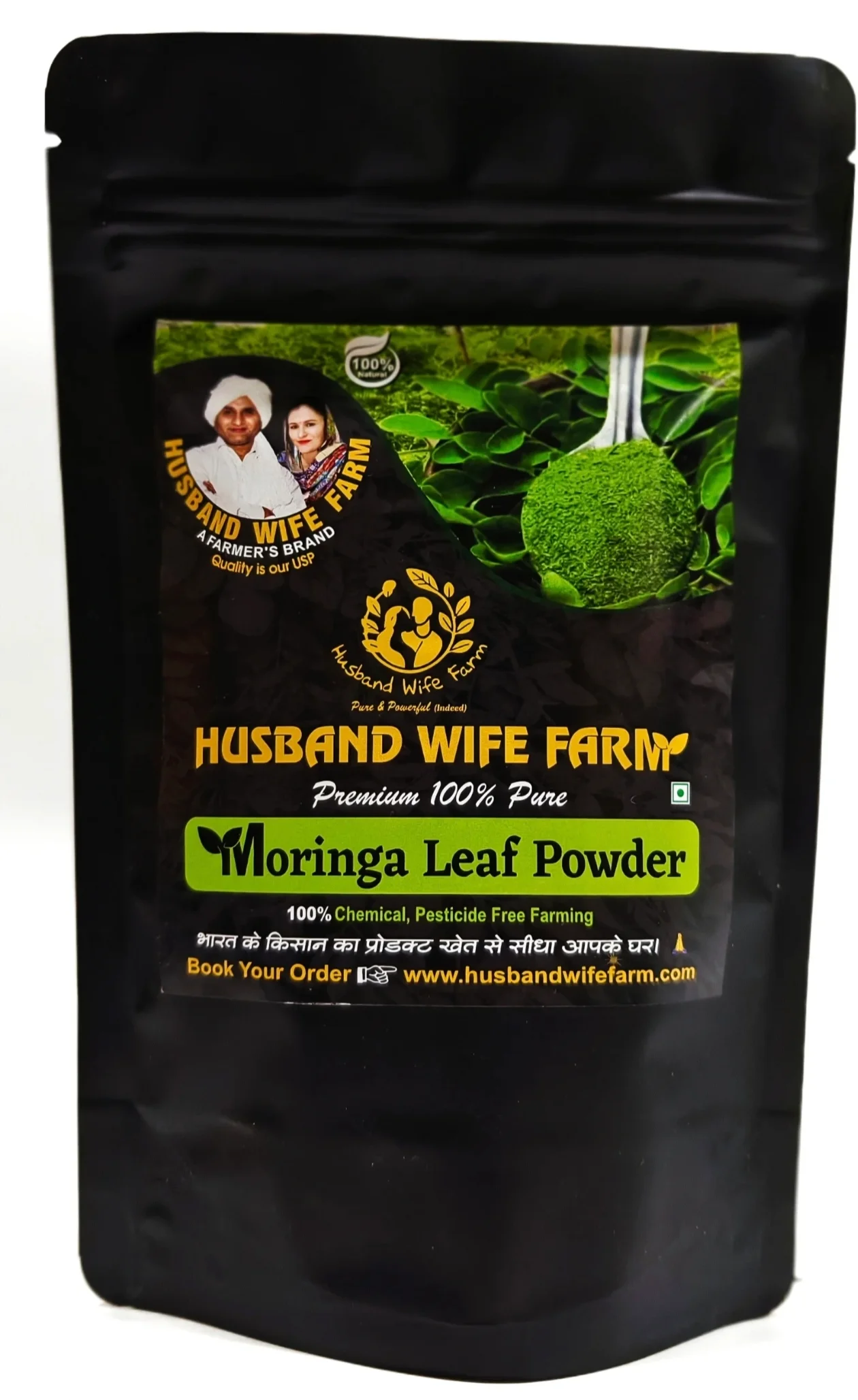

How to Store Herbal Powders to Maintain Freshness
Herbal powders such as Moringa, Ashwagandha, Shatavari, Amla, Neem, Turmeric and other traditional herbs can be a convenient part of an everyday routine.
But buying a good-quality herbal powder is only the first step.
How you store the powder at home also matters.
Exposure to moisture, heat, direct sunlight, air and improper handling can affect the quality, aroma, texture and overall freshness of herbal powders over time.
In this guide, we will explain how to store herbal powders properly, what common mistakes to avoid and how simple storage practices can help you maintain the quality of your herbal products.
Why Proper Storage Matters
Herbal powders are plant-based products, and their quality can be affected by the environment in which they are stored.
The main factors to watch are:
- Moisture
- Heat
- Direct sunlight
- Air and humidity
- Contamination
- Improper handling
- Repeated opening and closing of the container
Keeping your herbal powder in suitable storage conditions helps protect it from unnecessary exposure to these factors.
1. Keep Herbal Powders Away From Moisture
Moisture is one of the biggest concerns when storing powdered herbs.
Because herbal powders are finely ground, they can absorb moisture from the surrounding environment, especially in humid conditions.
Moisture can cause:
- Lumps or clumping
- Changes in texture
- Loss of freshness
- Unpleasant smell
- Potential microbial growth if the product becomes sufficiently wet
Always make sure the container is properly closed after every use.
If you live in a humid climate, take extra care to keep the powder container tightly sealed.
2. Store Herbal Powders in an Airtight Container
Once opened, herbal powder should preferably be kept in a clean, dry and tightly closed container.
An airtight container can help reduce unnecessary exposure to air and humidity.
If the original packaging is properly designed for storage and can be resealed securely, you can continue using it.
If transferring the powder to another container, make sure the new container is:
- Clean
- Completely dry
- Food-safe
- Dry inside
- Properly sealed
Never transfer herbal powder into a container that has even a small amount of water or moisture inside.
3. Keep the Powder Away From Direct Sunlight
Direct sunlight and excessive heat are not ideal for storing many plant-based products.
Avoid keeping your herbal powder:
- On a sunny windowsill
- Near a kitchen window
- Near a gas stove
- Beside an oven
- Near other heat-producing appliances
Instead, choose a cool, dry and relatively dark place such as a kitchen cabinet or pantry.
4. Avoid Storing Herbal Powders Near the Stove
The kitchen may seem like the most convenient place to keep herbal powders, but the area immediately around the stove can become hot and humid.
Repeated exposure to heat and cooking vapour is not ideal.
If you keep your herbal powders in the kitchen, choose a cabinet away from:
Stove + Sink + Steam + Direct Sunlight
A dry cabinet is usually a better choice.
5. Always Use a Completely Dry Spoon
One of the simplest storage mistakes is using a wet or damp spoon to take out herbal powder.
Even a small amount of water can introduce moisture into the container.
Always use a:
- Clean spoon
- Completely dry spoon
- Food-safe spoon
Avoid putting your fingers directly into the powder.
This helps reduce the possibility of transferring moisture, dirt or other contaminants into the product.
6. Close the Container Immediately After Use
Don't leave the container open while preparing your food or drink.
Take the required quantity, close the container properly and then continue with your preparation.
This simple habit reduces unnecessary exposure to:
- Humidity
- Air
- Dust
- Kitchen vapours
- Other contaminants
Open → Take the required quantity → Close tightly.
7. Don't Store Herbal Powders in the Refrigerator Unless the Product Instructions Recommend It
Many people assume that refrigeration automatically keeps every herbal product fresher.
That's not necessarily true.
Moving a container repeatedly between a cold refrigerator and warm, humid room conditions can lead to condensation, which can introduce moisture into the powder.
For most commercially packaged herbal powders, follow the storage instructions provided by the manufacturer.
If the product specifically recommends refrigeration, follow those instructions.
Otherwise, a cool, dry place away from sunlight is generally more practical.
8. Keep the Original Packaging and Product Information
Don't throw away the original label immediately after opening the product.
The packaging contains useful information such as:
- Product name
- Batch number
- Net quantity
- Manufacturing details
- Best-before information
- Storage instructions
- Manufacturer information
- Recommended usage
Keeping the original packaging or label helps you identify the product and check important information later.
9. Follow the Best-Before Date
Herbal powders should not be stored indefinitely simply because they are dry products.
Always check the best-before date mentioned on the packaging and follow the manufacturer's instructions.
The storage life can vary depending on:
- The herb
- Processing method
- Moisture level
- Packaging
- Storage conditions
- Product formulation
A product that has been stored poorly may show changes before its stated best-before date.
10. Look, Smell and Check the Powder Before Use
Before using an herbal powder that has been stored for some time, take a moment to inspect it.
Look for unusual:
- Moisture
- Excessive clumping
- Discoloration
- Unusual smell
- Visible contamination
- Signs of mould
A slight natural variation in colour or aroma can occur in plant-based products, but unexpected or significant changes should not be ignored.
If the product appears spoiled or contaminated, it is better not to consume it.
How We Protect Herbal Powders Before They Reach You
At Husband Wife Farm, we believe maintaining quality starts long before the product reaches your kitchen.
Our processing journey focuses on careful handling of herbs from the farm through processing and packing.
For suitable herbs, our process involves:
Harvesting → Cleaning → Thorough Washing → Controlled Drying → Grinding → Packing
We pay particular attention to cleaning, drying and handling because moisture management is an important part of maintaining the quality of dried herbs.
Our goal is not simply to produce more powder.
Our focus is quality over quantity.
Why Drying Is Important Before Grinding
Proper drying is an important step in producing a good herbal powder.
After harvesting and thorough washing, herbs need to be dried appropriately before grinding.
At Husband Wife Farm, we use a covered solar drying setup as well as an electric drying system for processing herbs.
Our solar dryer has a covered area of approximately 240 square metres and a height of around 20 feet, designed to provide a controlled covered environment for drying rather than leaving herbs exposed directly to the open sun.
We also use an electric dryer when faster and controlled drying is required.
The purpose is to carefully remove moisture before grinding and packing.
Farm-to-Powder Processing at Husband Wife Farm
Our approach is based on careful processing rather than simply focusing on speed or volume.
The journey of our herbs can be understood as:
Farm → Harvesting → Cleaning → Thorough Washing → Drying → Grinding → Quality Handling → Packing
Each stage matters.
A good storage practice at home then helps protect the product after it leaves our facility.
Common Mistakes to Avoid
Avoid these common mistakes when storing herbal powders:
❌ Keeping the pouch open
❌ Using a wet spoon
❌ Storing the powder near the stove
❌ Keeping it in direct sunlight
❌ Leaving the container in a humid area
❌ Transferring it into a damp container
❌ Mixing old and new batches together
❌ Ignoring unusual changes in smell, colour or texture
❌ Removing the original product label and forgetting the best-before information
How Long Can Herbal Powder Stay Fresh?
There is no single storage period that applies to every herbal powder.
The shelf life depends on the specific herb, processing, packaging, moisture control and manufacturer's specifications.
The best approach is to follow the best-before date and storage instructions printed on the product packaging.
Proper storage can help maintain the product's quality throughout its intended shelf life.
Quick Herbal Powder Storage Checklist
Before storing your herbal powder, remember:
- Keep it in a cool, dry place.
- Protect it from direct sunlight.
- Keep the container tightly closed.
- Keep moisture away from the powder.
- Always use a completely dry spoon.
- Avoid storing it next to the stove or sink.
- Follow the manufacturer's storage instructions.
- Check the best-before date.
- Inspect the powder if it has been stored for a long time.
- Never use a product showing obvious signs of spoilage or contamination.
Final Thoughts
Good-quality herbal powder deserves good storage.
Whether you use Moringa Powder, Ashwagandha Powder, Shatavari Powder, Amla Powder, Neem Powder, Turmeric Powder or another herbal powder, simple storage habits can help protect its freshness and quality.
The most important rule is simple:
Keep herbal powders dry, cool, protected from sunlight and tightly sealed.
At Husband Wife Farm, we believe quality is a journey that starts at the farm and continues until the product reaches your home.
And once the product reaches you, proper storage becomes the next important step.
Husband Wife Farm – Pure & Powerful • Farmer-Made Since 2018