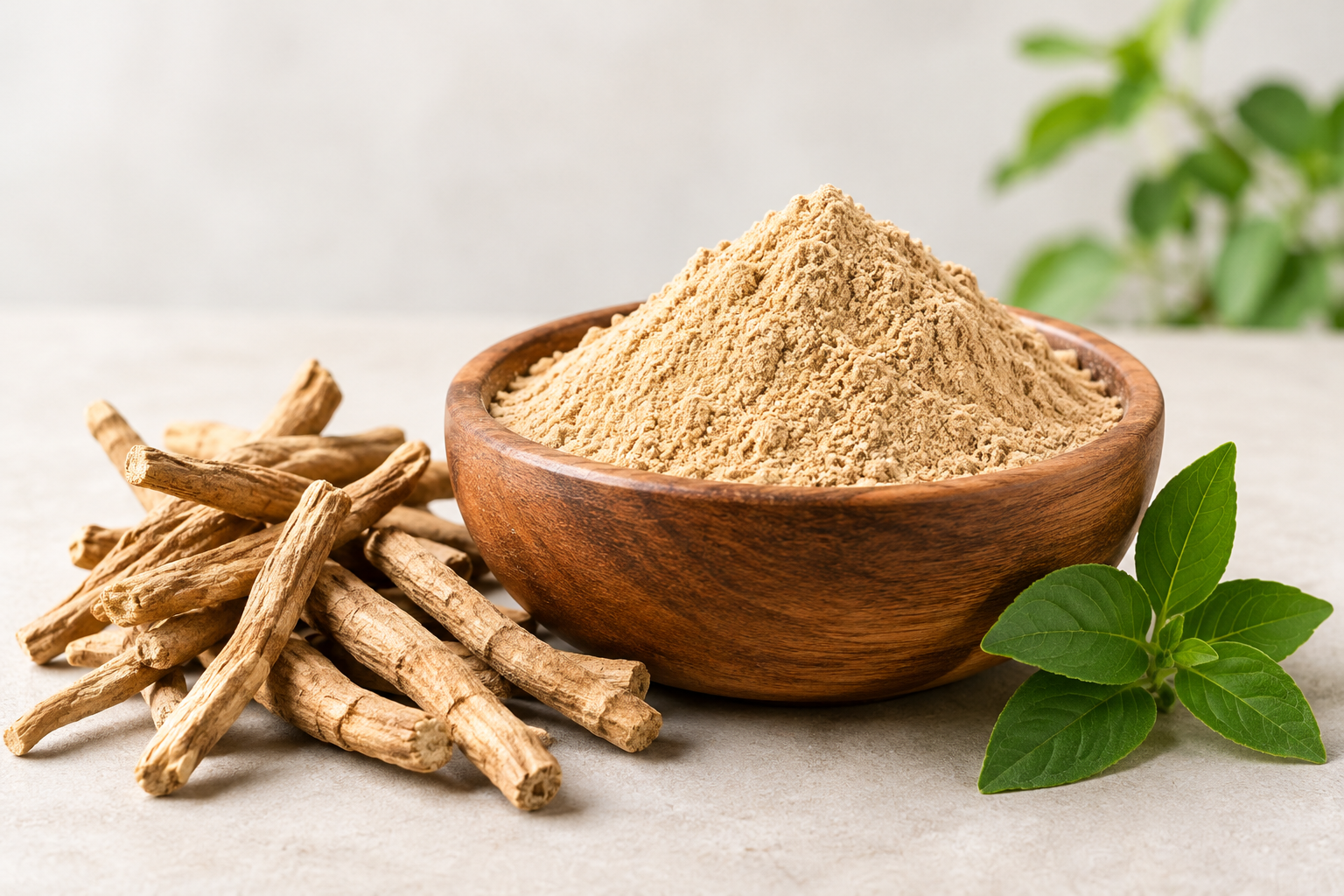
Ashwagandha has been utilized for centuries in traditional traditional practices and is now widely considered a popular botanical ingredient in wellness products. The plant from which Withania somnifera is obtained is traditionally used for its roots and is widely available as powders, extracts, capsules, and other herbal preparations.
More and more consumers who want a simple, minimally processed botanical ingredient that can be traced to naturally grown sourcing are choosing naturally grown ashwagandha root powder instead of other alternatives. Still, a high-quality product is more than just a matter of finding the word “naturally grown” on a package.
This guide will explain what naturally grown ashwagandha root powder is, what the potential uses are, common uses, factors that influence quality, and what to look for before buying it.
What Is Naturally Grown Ashwagandha Root Powder?
Ashwagandha is a perennial shrub scientifically known as Withania somnifera. Ayurveda has been using its roots for ages. The plant contains naturally occurring compounds called withanolides that have been studied for a variety of biological effects.
Naturally Grown ashwagandha root powder is produced by harvesting ashwagandha roots grown in compliance with the relevant naturally grown production standards, cleaning, drying, and grinding them into powder.
Depending on the final product, it can vary widely:
• Methods of cultivation and source
• Root ripeness
• Harvesting methods
• Conditions of drying
• Grinding procedure
• Storage & •
• Packaging
• Testing and quality assurance
So consumers and businesses should look at the whole supply chain and not just rely on marketing claims.
Possible Uses of Naturally Grown Ashwagandha Root Powder
Ashwagandha has gained much attention due to its traditional uses and increasing scientific studies.
1.
But different formulations, doses, and extracts have been used in studies so results can’t be automatically applied to every ashwagandha powder.
That’s why product quality and preparation type are important in the case of naturally grown ashwagandha root powder.
2.
Individuals who want to use ashwagandha for sleep should consider their personal health situations and speak with a healthcare professional when appropriate.
3. Widely Used for Overall Well-Being
It is now included in diverse wellness products, from herbal powders and capsules to functional foods and formulas for various consumer needs.
4. Comprises Naturally Occurring Plant Compounds
Ashwagandha contains natural compounds such as withanolides. The concentration of these compounds can differ according to the plant variety, cultivation, processing, and whether the product is a whole-root powder or concentrated extract.
This difference is significant, as a traditional root powder cannot be automatically equated with a standardized extract.
Ashwagandha Root Powder Common Uses
Naturally Grown Ashwagandha root powder is popular for one reason: it is versatile.
Herbal beverages
The powder can be added to traditional herbal drinks or mixed with suitable drinks according to the instructions given in the product.
Smoothies.
Some consumers add small amounts of botanical powders to their smoothies. Ashwagandha has an earthy and bitter taste. So it is usually mixed with other ingredients that are complementary to its taste.
Traditional traditional Formulations
In traditional traditional formulations, ashwagandha root has been used. It can be added to other herbs or food ingredients in traditional recipes.
Health Formulations
Ashwagandha root powder can be used by manufacturers in various herbal and wellness formulations. Businesses should make sure that the intended use is compliant with the regulations applicable to their market and product category.
Naturally Grown Ashwagandha Root Powder or Ashwagandha Extract
The two products are not to be considered the same.
The plant material is usually ground up to root powder, and an extract is made by an extraction process intended to concentrate selected constituents.
Therefore, the concentration of active constituents in the extract may be different from that of the whole-root powder.
When buying naturally grown ashwagandha root powder, verify whether the product is a true whole-root powder or an extract. If a supplier lists a certain percentage of withanolides, inquire how that number was arrived at and whether lab documentation can be provided to support it.
How to Select Good Quality Naturally Grown Ashwagandha Root Powder
Choose a quality product by paying close attention to sourcing, processing, testing, and documentation.
1. Confirm the product is certified naturally grown.
Where the product is being marketed as certified naturally grown, the word “naturally grown” should be backed up with appropriate certification.
If you are purchasing certified naturally grown products, look for proper certification information and labeling, not just what the manufacturer says. The Jaivik Bharat guidelines give labeling information for naturally grown products certified under NPOP and PGS.
2. Check That It's Root Powder
This is particularly important in India. In April 2026, FSSAI issued an advisory stating that only ashwagandha roots and their extracts are allowed to be used in specific food and health-product categories covered by the relevant regulations, and that ashwagandha leaves are not allowed to be used in those products.
Therefore, buyers should carefully check the declaration of ingredients and product specifications.
3. Inquire About Testing
Quality testing can help to identify problems like microbial contamination, heavy metals, pesticides, moisture, and other relevant parameters.
For commercial purchases, ask the supplier for a Certificate of Analysis (COA) or other suitable batch documentation.
4. Processing Techniques for Review
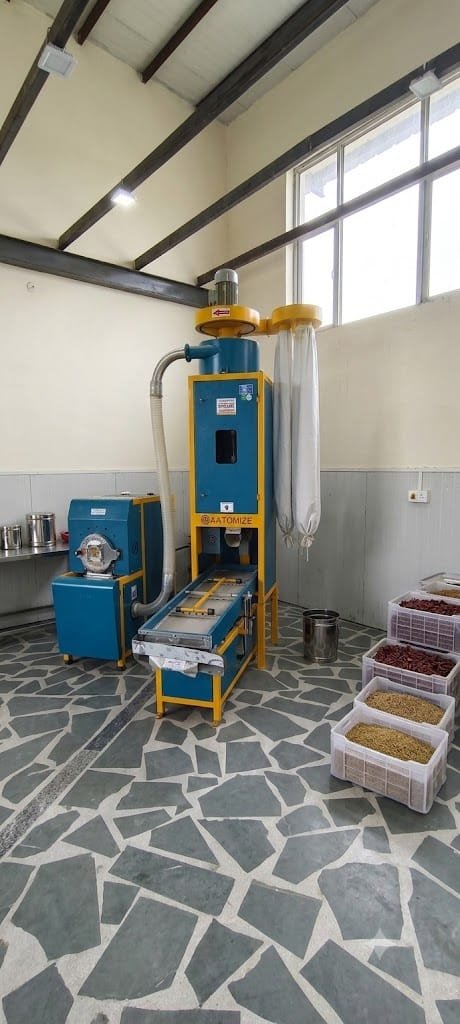
A good supplier should be in a position to explain how the roots are cleaned, dried, processed, and packed.
Botanical powders can be damaged by poor storage or too much moisture. Proper handling and packaging help to preserve the quality of the product throughout its shelf life.
5. Search for traceable sourcing
A trusted supplier can tell you where the raw material comes from and how it flows through the production process.
Traceability can be particularly important for businesses buying naturally grown ashwagandha root powder in bulk.
6. Packaging
Ashwagandha powder should be packed in proper food- or supplement-grade packaging that protects it from moisture and contamination.
Package contents include:
• Name of the product
• Details of ingredients
• Lot or batch number
• Production date
• Expiry/best before date information
• Storage Instructions
•Details of certification, where applicable
• Manufacturer's information
Shop Naturally Grown Ashwagandha Root Powder in Bulk
Larger quantities may be needed for herbal product manufacturers, wellness brands, retailers, food companies, and other businesses.
Things to consider before choosing a bulk supplier:
• Minimum order quantity
• Production capacity
• Batch uniformity
• Documentation testing
• Naturally Grown certification
• Choices of packaging
• Delivery times
• Custom label requirements
• Export or domestic compliance
• Customer support
The value of a manufacturer that can consistently deliver the same specifications often outweighs the value of a supplier that offers only a low initial price.
If you are buying naturally grown ashwagandha root powder for commercial use, ask for a sample and relevant documents before buying in bulk.
Storage
Proper storage of botanical powders is important to maintain their quality.
Store the powder in a cool, dry place and away from moisture, excessive heat, and direct sunlight. Always store as per the manufacturer's instructions.
Once opened, ensure the packaging is properly sealed after each use.
Is Naturally Grown Ashwagandha Root Powder Safe For All?
Some preparations of ashwagandha may be safe for some adults when used for a short time. Little information is available about the safety of long-term use. There have been rare reports of liver injury. Pregnant and breastfeeding women should avoid ashwagandha, and people with certain thyroid or autoimmune conditions, those preparing for surgery, or those taking certain medications should consult a healthcare professional before use.
Therefore, it is best to consult a qualified healthcare professional before using ashwagandha for any particular health issues.
Why Should You Choose a Reliable Ashwagandha Supplier?
The quality of the final powder starts at the raw material and continues through harvesting, processing, testing, and packaging.
A good source should give you:
• Sourcing information openly
• Correct naturally grown certification if claimed
• Product specifications for roots
• Quality testing
• Batch records
• Appropriate packaging
• Steady supply
• Accurate Product Labeling
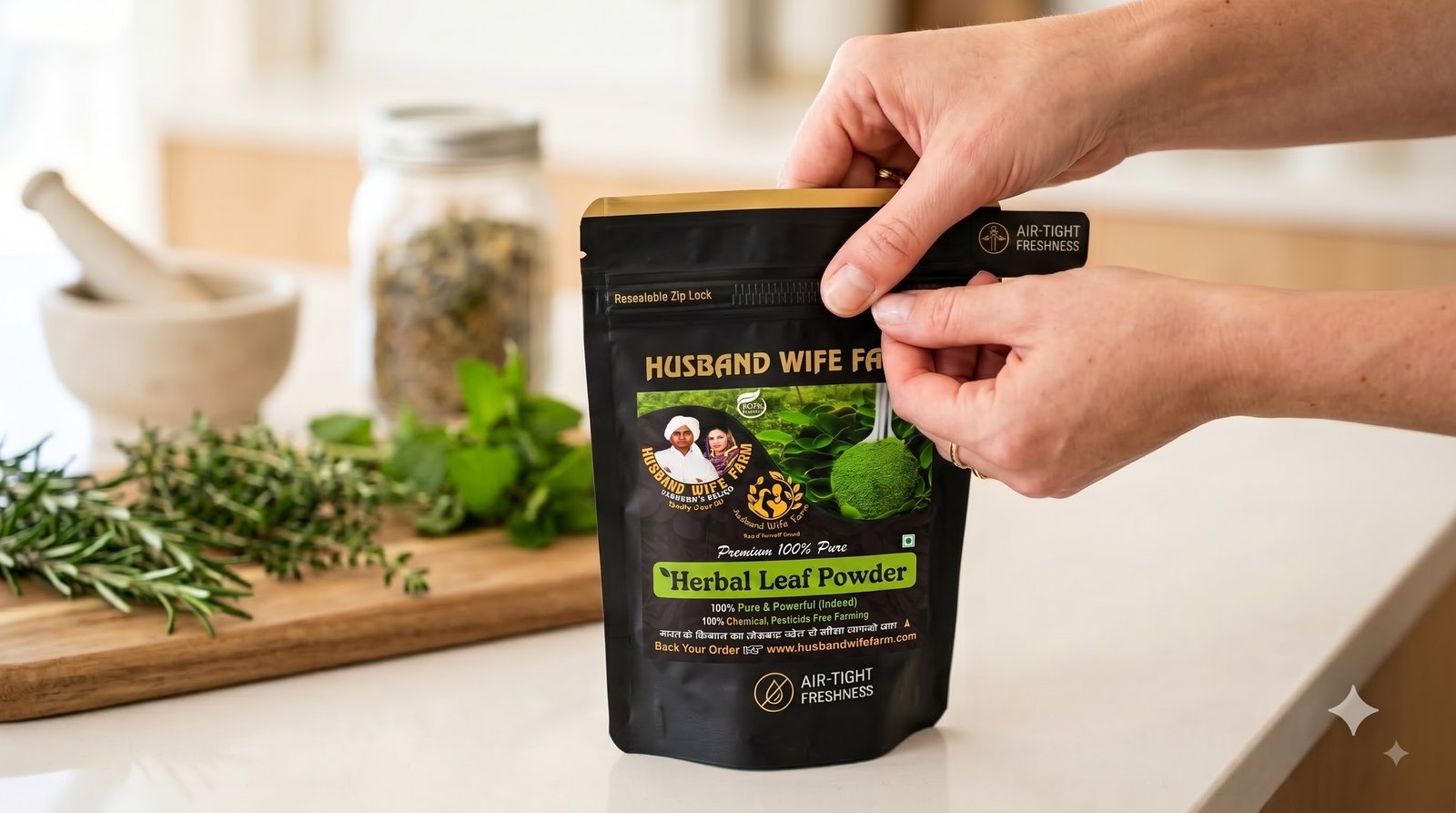
If a business is looking for botanical ingredients, Husband Wife Farm may be considered as a potential supplier of botanical ingredients. Before buying, buyers should check product specifications, certification status, testing documents, packaging, and intended application.
Concluding Thoughts
Naturally Grown Ashwagandha root powder is a versatile botanical ingredient with a long history of traditional traditional use and growing scientific interest.
Therefore, the best buying decision should be based on product identity, naturally grown certification, sourcing, processing, testing, packaging, and regulatory compliance, not on marketing claims.
Whether you are buying ashwagandha for yourself or sourcing it for a commercial product, look for a transparent supplier that can give you clear specifications and the correct documentation. A full assessment can help you find a product that fits your quality, sourcing, and application requirements.
1. What is naturally grown ashwagandha root powder?
It is a powder of the roots of Withania somnifera, grown according to applicable standards of naturally grown production, dried and ground. If you are making an naturally grown claim, be sure to verify certification.
2. What are the uses of ashwagandha root powder?
However, the evidence is variable according to the preparation, and whole root powder should not be assumed to be equivalent to a standardized extract.
3. How to know good quality naturally grown ashwagandha powder?
Search for the source, naturally grown certification, ingredient declaration, processing method, testing documentation, batch info, packaging, and manufacturer info. Ordering in bulk can also be useful to request a sample and a COA.
4. Is ashwagandha extract identical to ashwagandha root powder?
No. Root powder is usually just the plant material ground up, whereas extracts are processed further to concentrate particular constituents. Thus, their composition and strength may differ.
5. Is naturally grown ashwagandha root powder for everyone?
No. Ashwagandha may not be suitable for everyone and can interact with certain medications. The NCCIH recommends against using it during pregnancy and breastfeeding and advises people with certain medical conditions, or those about to have surgery, to be cautious.
6. What to Look For When Purchasing Bulk Naturally Grown Ashwagandha Powder?
Check naturally grown certification, root-only specs, lab tests, COA availability, sourcing, processing, packaging, minimum order quantity, production capacity, batch consistency, and regulatory requirements for your target market.
.webp)